Home Blog

Entrepreneurship & MSME Development in Western Odisha

0

Balangir (20/10/25): Western Odisha—the land of Sambalpuri culture, cotton, agriculture, and handmade products—is full of potential. Yet, it has faced long-standing challenges in skill development, infrastructure, and industrial growth, leading to unemployment and migration.

https://podcasts.apple.com/us/podcast/entrepreneurship-msme-development-in-western-odisha/id1847027136

In this special episode of Juhar Podcast, we are joined by Dr. Sukant Kumar Sahoo, Joint Director, MSME-DFO Rourkela, who shares deep insights on how MSME initiatives, entrepreneurship programs, and government schemes are driving economic transformation across Western Odisha.

🎧 Listen as we discuss:

  • How MSME schemes are supporting local entrepreneurs.
  • Skill development and employment opportunities in rural Odisha.
  • The future of enterprise and innovation in Western Odisha.
  • The roadmap to make Odisha a hub for sustainable growth.

This episode celebrates the power of people, policy, and purpose—building a stronger, self-reliant Odisha.

📍 Guest: Dr. Sukant Kumar Sahoo, Joint Director, MSME-DFO Rourkela 🎙️ Host: Sudhir Bhoi, Director – Prerana & Founder, Juhar Podcast 🌐 Platform: Spotify | YouTube | JuharPodcast.com

Juhar Podcast—Where Odisha Speaks, and the World Listens.

https://youtu.be/YIFRBMyOn6Y

The Evolution of Podcasting: From iPods to the Global Airwaves

0
xr:d:DAFfht2Y9do:2623,j:8963708311594803055,t:24021907

📢 The Evolution of Podcasting: From iPods to the Global Airwaves

By Juhar Team | July 21, 2025

Podcasting — a term once tied to the humble iPod — has today become a global media phenomenon, transforming how we consume information, entertainment, and education. What began as a niche hobby has rapidly evolved into a mainstream cultural force with millions of listeners and creators across the world.


The Humble Beginnings

The term “podcast” was coined in 2004, blending “iPod” with “broadcast.” Early podcasts emerged as downloadable audio files, often created by independent enthusiasts experimenting with this novel format. The technology was driven by the RSS feed, which allowed automatic downloads to personal devices — predominantly iPods — enabling users to “time-shift” their listening, much like DVRs did for television.

In these early days, podcasting was largely DIY. With minimal equipment, creators could produce shows on topics ranging from politics to music to personal journals, fostering a democratized media space free from traditional broadcasting constraints.


The Rise of Smartphones and Streaming

The launch of the iPhone in 2007 and the boom of smartphones revolutionized podcast consumption. With mobile internet and streaming apps like Apple Podcasts, Spotify, and Google Podcasts, audiences no longer needed to manually download episodes. Accessibility and convenience skyrocketed, leading to an explosion of content.

By the mid-2010s, high-profile series like Serial — a true crime podcast — captivated millions, proving that podcasts could rival traditional media in storytelling depth and audience engagement. This era marked the beginning of podcasting’s “Golden Age.”


Global Expansion and Cultural Impact

Podcasting soon transcended borders. In India, regional language podcasts gained popularity, addressing local stories, cultures, and social issues. Globally, podcasts began preserving oral histories, amplifying marginalized voices, and bringing niche interests to the forefront.

The format’s flexibility — from long-form interviews to five-minute news briefs — allowed diverse content strategies. Educational podcasts flourished, while celebrities, journalists, and independent creators found direct, personal ways to connect with audiences.


Monetization and the Business of Audio

What started as passion projects evolved into serious business. Advertising, sponsorships, paid subscriptions, and exclusive deals with platforms like Spotify have turned podcasting into a billion-dollar industry. Big media houses and tech companies are investing heavily, recognizing the format’s power to engage dedicated listeners.

Podcast networks, production studios, and specialized agencies have emerged, professionalizing the space while keeping doors open for indie creators.


The Future of Podcasting

Looking ahead, the future of podcasting is being shaped by innovations like spatial audio, AI-driven content recommendations, and interactive formats. Podcasts are increasingly being integrated into smart devices, from home assistants to connected cars, ensuring that the audio wave continues to grow.

Moreover, video podcasts are bridging the gap between audio and visual content, attracting wider audiences on platforms like YouTube.

Podcasting in India: A Cultural Revolution in Audio

0

Podcasting in India: A Cultural Revolution in Audio

By Juhar Team| July 21, 2025

Podcasting in India is no longer a niche hobby — it is a growing cultural revolution reshaping how millions engage with stories, news, education, and entertainment. As smartphones penetrate every corner of the country and data costs remain low, audio content is experiencing an unprecedented boom, creating a vibrant ecosystem of voices from every part of India.


The Beginning of India’s Podcast Journey

India’s podcasting journey began quietly in the early 2010s, when only a few content creators experimented with audio storytelling. However, the landscape changed dramatically with the growth of regional content consumption, the advent of cheap internet, and the launch of platforms like Spotify, Gaana, Hubhopper, and JioSaavn’s podcast section.

Suddenly, India’s diverse linguistic and cultural landscape found a new medium to thrive — not through video, but through the intimacy of audio.


The Diversity of Voices

What makes India’s podcast revolution unique is its diversity. Podcasts today exist in Hindi, Tamil, Bengali, Marathi, Odia, and dozens of other regional languages. Each carries the flavor of its community — from folk tales of Odisha to Tamil cinema critiques, from regional politics to spiritual discourses.

Creators come from varied backgrounds: journalists, historians, artists, educators, comedians, and even ordinary citizens with extraordinary stories. This democratization has ensured that podcasting in India is both mainstream and grassroots.


Catalyst for Cultural Revival

Podcasts in India are playing a crucial role in reviving and promoting cultural heritage. Shows dedicated to regional music, literature, mythology, and traditions have emerged as audio archives of India’s rich past. For example, history-focused podcasts narrate the tales of lesser-known dynasties and folk heroes, while others explore the significance of local festivals and rituals.

This form of storytelling is engaging a younger audience, eager to reconnect with their roots in a format that suits their busy, mobile-first lifestyles.


Education, Self-Help, and Social Awareness

Beyond culture and entertainment, Indian podcasts are also fostering education and social change. Topics like mental health, entrepreneurship, self-improvement, and social justice are gaining traction. Podcasts in rural and semi-urban areas are being used to spread awareness about health, finance, and government schemes, bridging the information gap.

Moreover, educational institutions are adopting podcasts as supplementary learning tools, especially for language learning and current affairs.


Monetization and Market Growth

According to industry estimates, India’s podcast listenership has crossed 150 million monthly listeners by 2025, with projections showing continued growth. Monetization models are evolving — through brand sponsorships, advertising, paid content, and partnerships with streaming platforms.

Major media houses, celebrities, and independent creators are investing in professional podcast productions, elevating content quality and reach.


Challenges and Opportunities

Despite its growth, challenges remain. Discoverability of content, especially in regional languages, is still an issue. Creators often struggle with monetization and audience engagement in a market that is still maturing compared to the West.

Yet, the opportunities are vast. The combination of India’s linguistic diversity, storytelling tradition, and tech-savvy youth population positions the country as one of the most promising markets for podcasting in the world.

Voices of Culture: How Podcasts Preserve and Promote Local Traditions

0

🎧 Voices of Culture: How Podcasts Preserve and Promote Local Traditions

By Juhar Team| July 21, 2025

In a fast-globalizing world where traditions often face the threat of being forgotten, podcasts are emerging as unexpected yet powerful tools for cultural preservation and promotion. Across languages, regions, and communities, podcasts are giving voice to local stories, rituals, music, and histories — ensuring that the soul of a culture is not just remembered, but celebrated.


The Oral Tradition Reimagined

For centuries, cultures have relied on oral storytelling to pass down wisdom, folklore, and customs. With time, many of these traditions were overshadowed by mass media, often dominated by global narratives. Podcasts have reignited the age-old practice of oral history, but with a digital twist — accessible to anyone, anywhere, anytime.

Podcasters are now the new-age storytellers, reviving endangered dialects, recounting local legends, and explaining unique festivals that may not feature in mainstream discourse.


Reviving Languages and Dialects

One of the most significant contributions of cultural podcasts is the revival of regional languages and dialects. In India, podcasts in Odia, Bhojpuri, Maithili, and other native tongues are gaining listeners, especially among the younger generation curious about their roots.

Shows dedicated to folk music, traditional proverbs, and regional poetry are not only entertaining but also serve as living archives for future generations.


Showcasing Folk Art, Music, and Rituals

Many cultural podcasts delve into the richness of folk arts, tribal crafts, and traditional music. For example, a podcast series on Odisha’s Pala and Daskathia storytelling traditions can keep these unique art forms alive in public consciousness.

By interviewing artisans, performers, and cultural historians, podcasts create audio museums where listeners can experience heritage without physical boundaries.


Connecting Diasporas with Their Heritage

Podcasts play a special role for diaspora communities seeking connection with their homeland’s culture. For Indians living abroad, podcasts in regional languages or focusing on Indian festivals, food traditions, and cultural debates help bridge the emotional and cultural gap.

Such content fosters a sense of belonging, ensuring that traditions evolve yet stay anchored to their origins.


Cultural Activism and Awareness

Some podcasts go beyond storytelling to address the challenges faced by traditional practices in a modern context — from environmental threats to the loss of artisan livelihoods. These platforms become spaces for cultural activism, raising awareness and driving efforts to protect and promote heritage.


The Road Ahead: Tech-Driven Cultural Archiving

With the advent of AI, voice preservation, and interactive audio, the scope for cultural documentation through podcasts is expanding. Initiatives like podcast networks dedicated to heritage, regional culture archives, and collaborations with cultural institutions are gaining traction.

Educational podcasts are also being integrated into schools and universities, blending traditional knowledge with modern education.


“Podcasts Through Time: How Audio Storytelling Reshaped Media History”

0

🎙️ Podcasts Through Time: How Audio Storytelling Reshaped Media History

By Juhar Team| July 21, 2025

In an age of visual overload, podcasts have reasserted the power of the spoken word, rekindling humanity’s ancient love for storytelling — this time, through the internet. From fireside tales to modern podcasts, the journey of audio storytelling reveals how sound continues to shape media history, culture, and communication.


The Ancient Art of Oral Storytelling
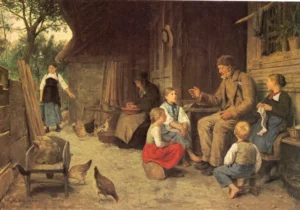
Long before printing presses and digital screens, stories traveled from one generation to the next through voice. In every culture, oral traditions carried history, myths, folklore, and moral teachings. The human voice, with its emotion and cadence, was the first tool of mass communication — shaping identities and preserving legacies.


Radio: The First Broadcast Revolution

The 20th century witnessed the first great leap in audio storytelling with the rise of radio. Radio dramas, news broadcasts, and talk shows turned storytelling into a global event, reaching millions in real time. In India, iconic programs like Binaca Geetmala and the All-India Radio plays became household experiences, creating communal listening traditions.

Radio democratized information, but it was still controlled by gatekeepers — governments, media houses, and corporations.


The Birth of Podcasts: A New Democratic Medium

Podcasting emerged in the early 2000s, leveraging the power of the internet and the simplicity of audio files. Unlike radio, podcasts needed no frequencies or corporate approvals — just a microphone, a platform, and a voice.

The term “podcast” was born in 2004, as a blend of “iPod” and “broadcast.” Suddenly, anyone could become a broadcaster, discussing everything from politics to poetry, history to humor. This freedom reshaped media landscapes, allowing underrepresented voices, grassroots movements, and niche interests to thrive.


Podcasts Redefining Media Consumption

Podcasts brought with them new habits: on-demand listening, long-form discussions, and intimate conversations. Unlike the passive consumption of radio or TV, podcasts created personal spaces — in headphones, during commutes, or late-night reflections.

Shows like Serial, The Joe Rogan Experience, and The History of India Podcast demonstrated the power of deep storytelling, investigative journalism, and cultural discourse. These narratives don’t just inform — they immerse.


The Cultural Renaissance of Audio

Globally, podcasts have become a tool for cultural preservation, education, and activism. In India, the rise of regional language podcasts is keeping local dialects alive. Globally, marginalized communities are telling their own stories, reclaiming narratives long ignored by mainstream media.

Moreover, educational institutions and media houses now use podcasts as learning tools, blending education with entertainment — known as edutainment.


Technology and the Future of Audio Storytelling

With advancements in AI, voice technology, and spatial audio, podcasts are set to become even more interactive and immersive. Platforms now experiment with personalized listening experiences, audio-based social networks, and even AI-generated storytelling.

Smart devices — from phones to voice assistants like Alexa — ensure that audio remains a dominant medium in daily life.


Conclusion

From ancient oral tales to global digital podcasts, audio storytelling has continuously adapted, survived, and thrived. It reshaped media history by preserving the core human experience — listening and imagining.

As the world looks forward to more technological marvels, the timeless power of the human voice remains unmatched. Podcasts have not just revived storytelling; they’ve redefined how we connect, learn, and remember.